Stainless Steel
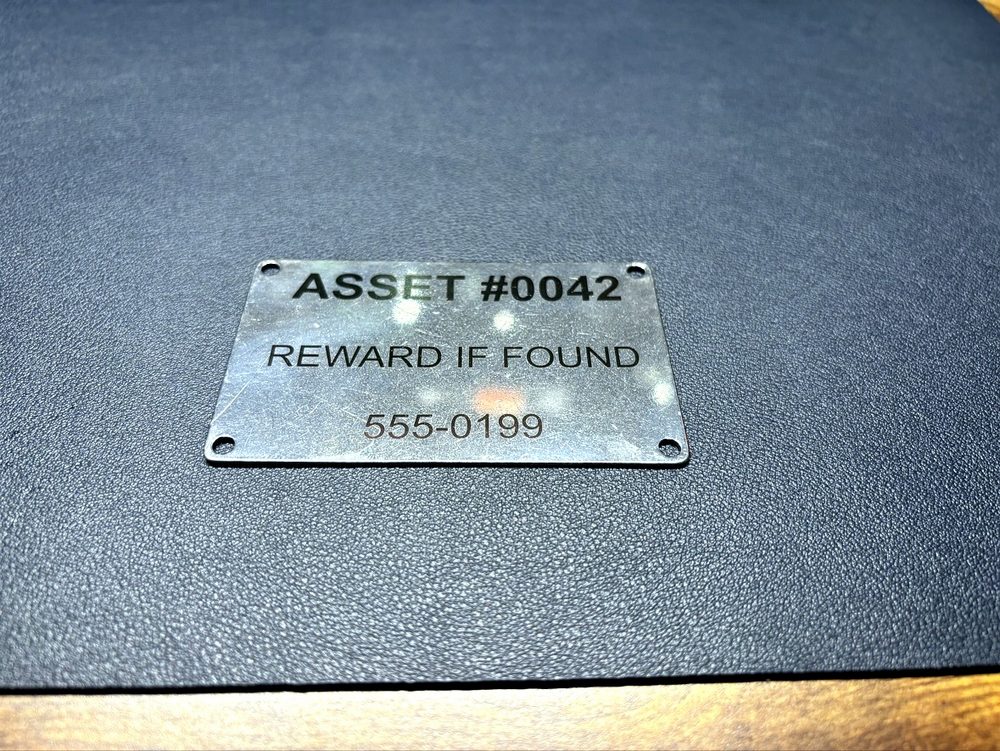
Your engraving is cut into the metal itself — not printed, not a sticker. It won't fade, peel, or wash off, and the tag is built for shops, boats, and job sites.
Do
- Wipe clean with warm water, a drop of mild dish soap, and a soft cloth
- Dry it after washing to keep water spots away
- Rinse off salt spray now and then if it lives near the coast or on a boat
Don't
- Scrub with steel wool or scouring pads — they'll leave fine scratches
- Let bleach or heavy chloride cleaners sit on it; they can pit the finish
- Worry about the engraving — it's permanent
Anodized Aluminum
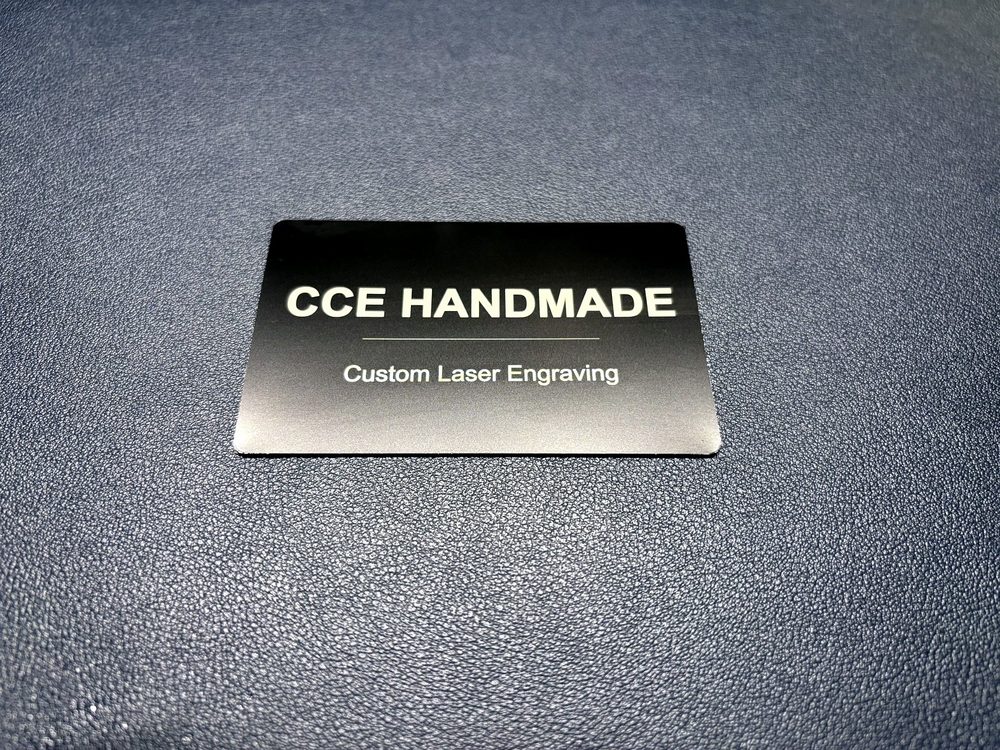
The color is a dyed anodized layer sealed into the aluminum, and the engraving cuts through it to the bright metal beneath. Treat the surface kindly and it stays sharp for years.
Do
- Clean with a soft cloth, mild soap, and water — then dry it fully
- Carry cards in a sleeve or separate pocket if you want the finish pristine
- For outdoor plaques, rinse and dry occasionally; the finish weathers gracefully
Don't
- Use abrasives, acetone, or harsh degreasers — they can dull or strip the color
- Bend the cards — aluminum creases, and a crease is forever
- Scrub the engraved lines with anything gritty
Leather
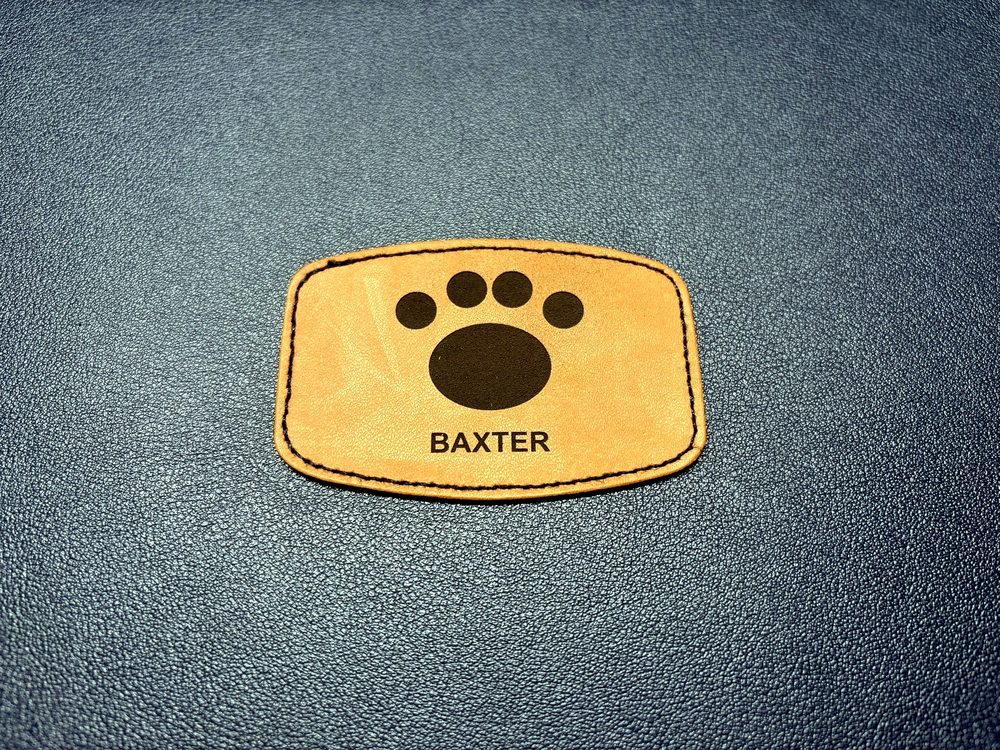
Real leather ages beautifully — it darkens a little, softens, and picks up character. The engraving is burned in, so it deepens right along with the hide.
Do
- Wipe with a dry or barely damp cloth
- Work in a little leather balm or conditioner if it ever looks dry
- Let it air-dry at room temperature if it gets wet
Don't
- Soak it, or clean it with alcohol and harsh chemicals
- Leave it baking in direct sun for long stretches — it dries and cracks
- Iron directly over an applied patch; press from the back or use a cloth barrier
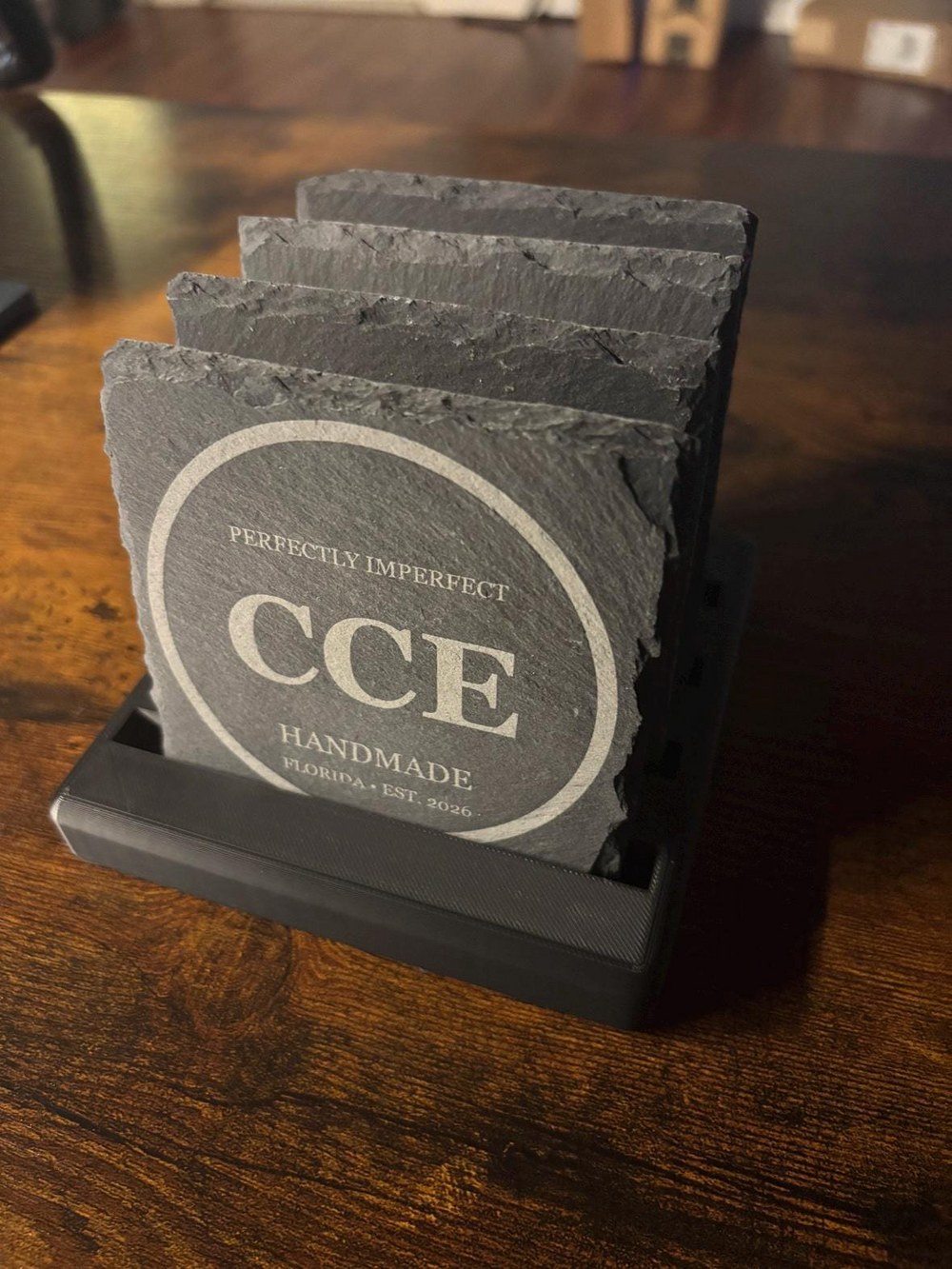
Slate
Natural stone, split by hand — no two pieces are exactly alike, and the chipped, uneven edges are part of the character. The image is etched into the stone itself.
Do
- Hand wash with warm water and mild soap; dry fully before stacking
- Rub in a drop of food-safe mineral oil if the black ever looks dull — it deepens the stone and the contrast
- Keep the felt or cork pads on the bottom to protect your furniture
Don't
- Run it through the dishwasher — detergent and heat dull the stone
- Drop it on tile or concrete; slate is stone, and stone can chip or crack
- Use it as a trivet for pans straight off the stove
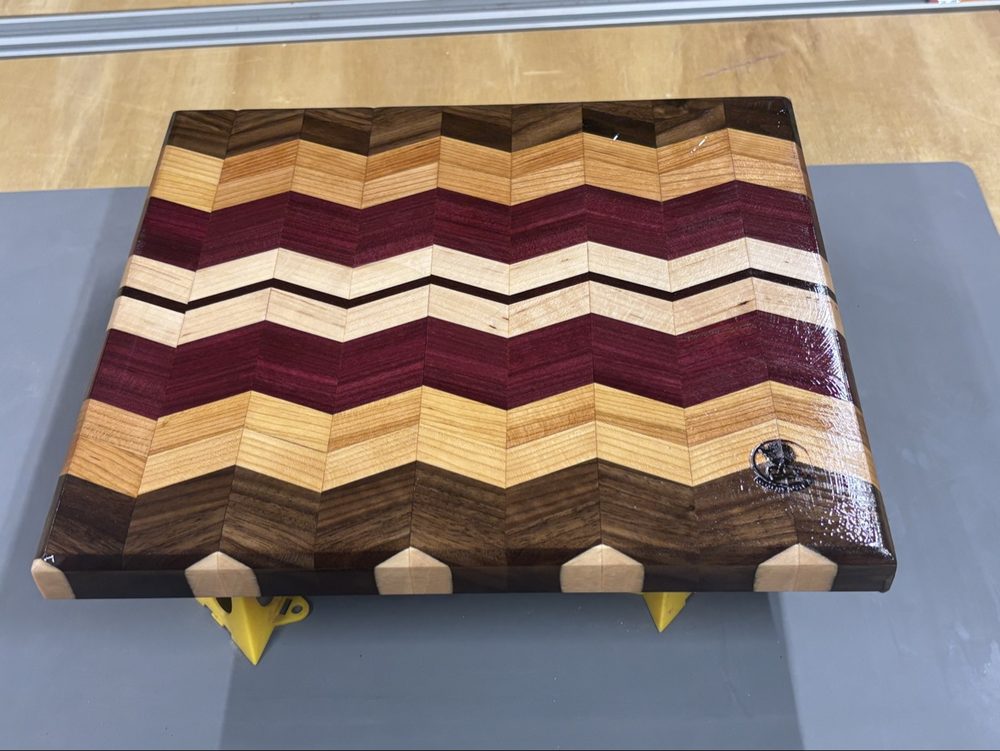
Wood
Wood is a living material — grain, tone, and small shifts with the seasons are normal and part of the charm. A dry cloth handles most of life.
Do
- Dust with a dry or slightly damp cloth
- Keep indoor pieces out of long stretches of direct sun
- Boards: hand wash, dry standing up, and feed with food-safe mineral oil or board butter when they look dry
Don't
- Soak any piece, or put boards in the dishwasher
- Use harsh chemical cleaners on the finish
- Leave standing water sitting on a sign or plaque
Iron-On Apparel
Every shirt is pressed to order with a single-color transfer. Give it a day to fully bond before the first wash and it'll outlast the shirt it's on.
Do
- Wait a full 24 hours before the first wash
- Wash inside out, in cold water, on a gentle cycle
- Tumble dry low — or better, hang it up
- Spot clean hats and totes instead of machine washing
Don't
- Use bleach or hot water on the design
- Iron directly on the transfer — iron inside out or lay a cloth over it
- Wring the design out like a dishrag
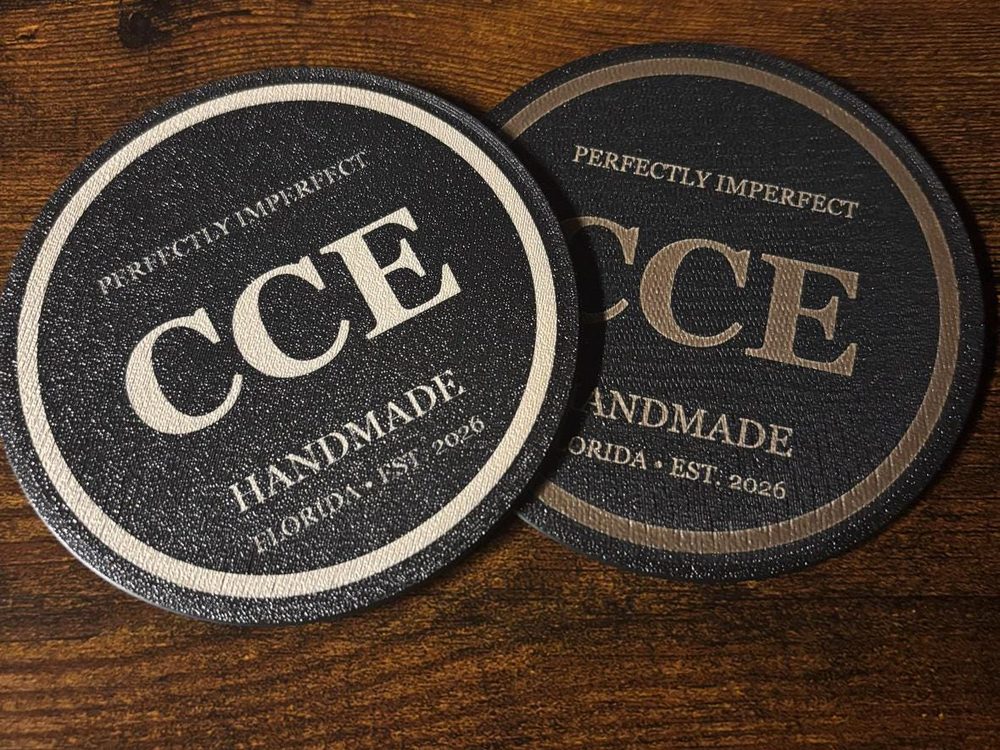
3D Printed
Most pieces are printed in PLA, a sturdy plant-based plastic. It's tougher than it looks — it just doesn't care for heat.
Do
- Wipe clean with a damp cloth; hand wash in cool water if needed
- Use coasters for cold and room-temperature drinks
- Store pieces flat and out of the weather
Don't
- Leave it in a hot car or blazing sun — PLA softens and warps around 140°F
- Put it in the dishwasher
- Set a hot mug or pan on a printed coaster; heat can leave a mark